


NASA recently tracked down a cosmic behemoth zooming through space at a staggering one million miles per hour.
This object isn’t just fast; it’s also enormous—over 27,306 times the size of Earth. Its incredible speed suggests it might eventually break away from the Milky Way’s gravitational hold.
Measuring the Unmeasurable
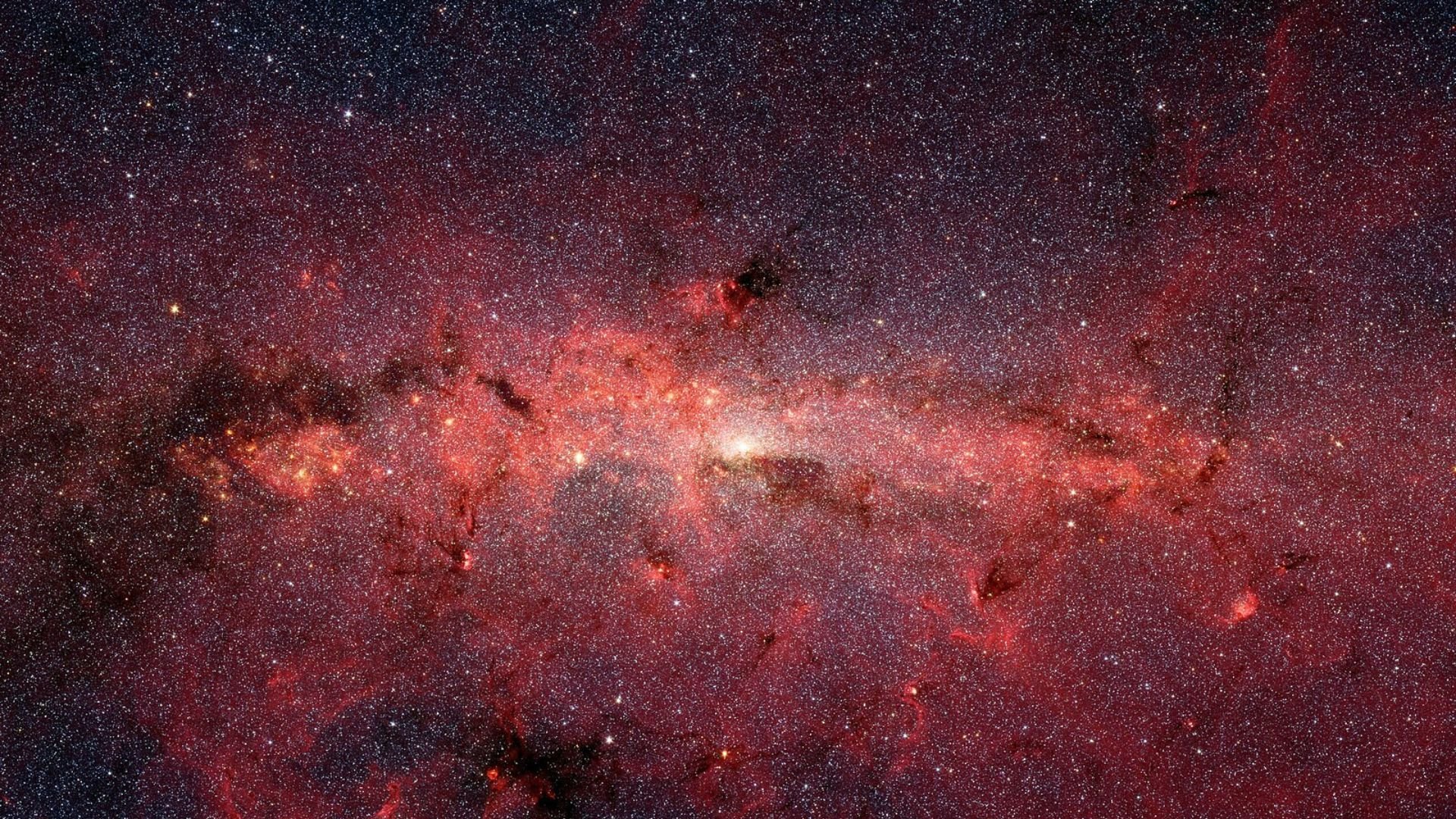
At a distance of more than 400 light years from Earth, this object tests the limits of current scientific capabilities.
Capturing data on something so distant and fast-moving poses a real challenge.
Is It a Bird, a Plane… or a Brown Dwarf?
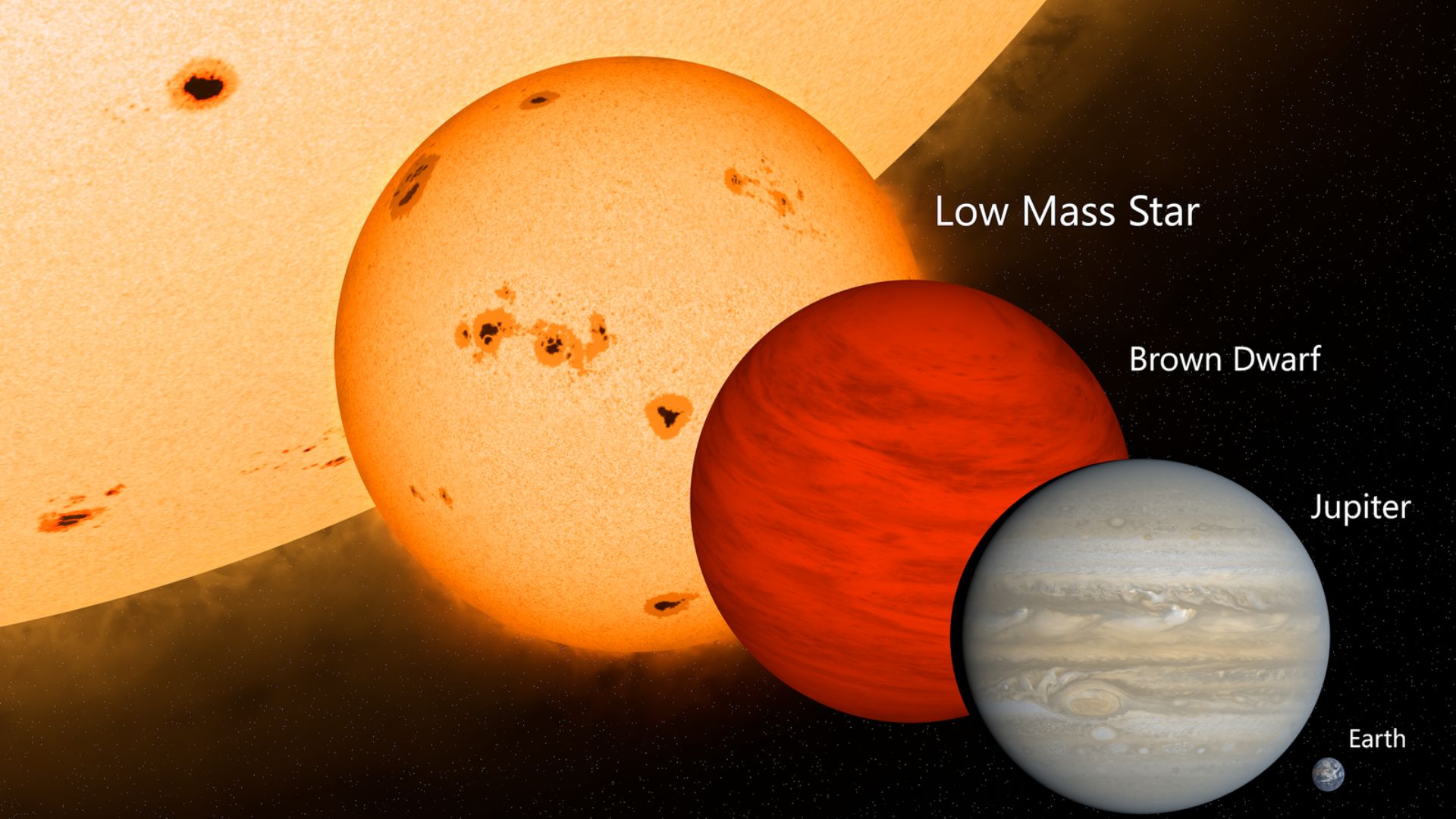
Currently under scrutiny by the scientific community, this object might be a brown dwarf.
These cosmic entities are heftier than planets but lack the mass for sustained nuclear fusion, making them a rare find in the universe.
A Cosmic Oddity
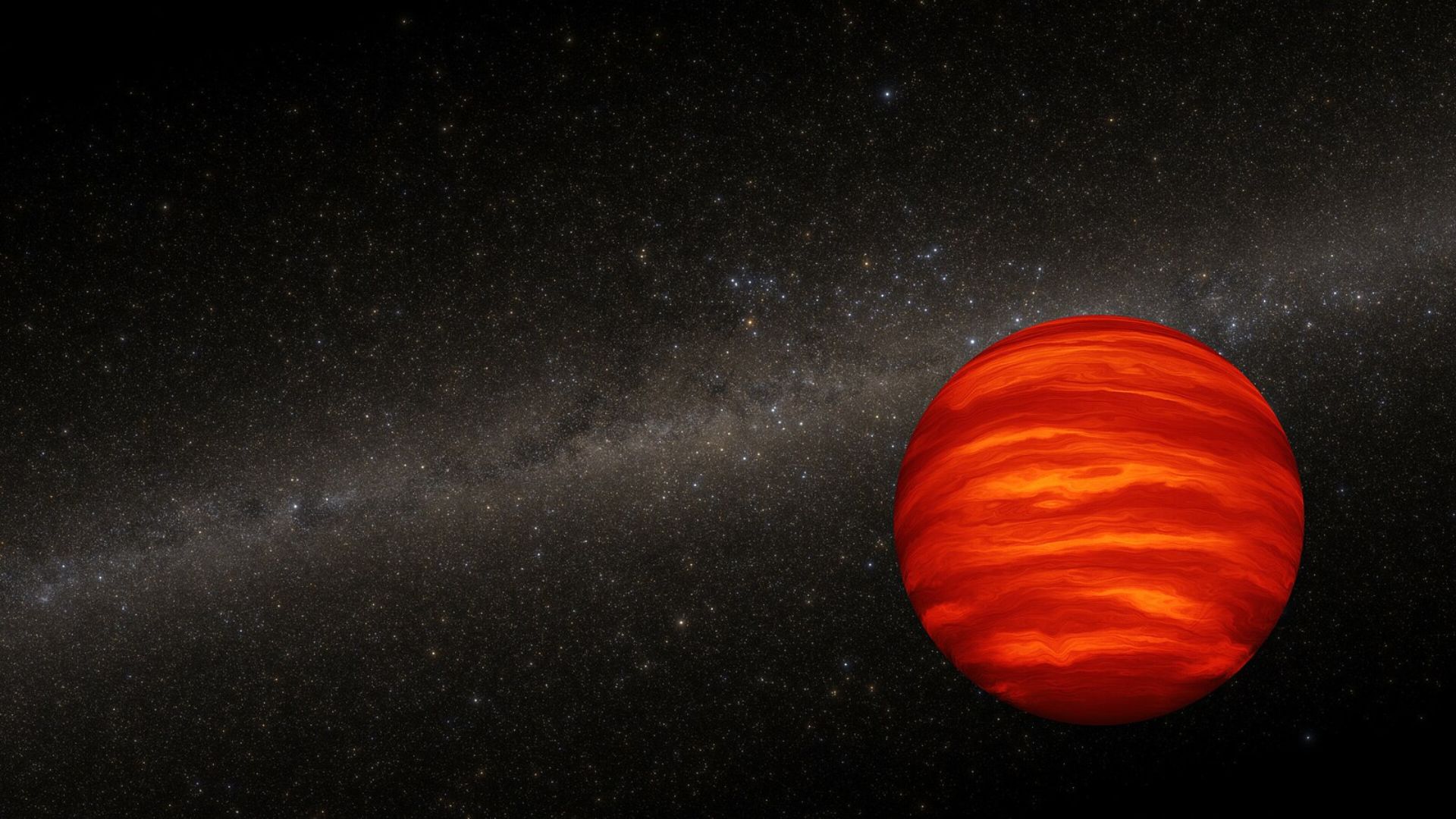
If confirmed as a brown dwarf, this would be the first ever observed whipping through space at such extreme speeds.
This discovery could overturn some of the existing theories about how celestial objects behave within our galaxy.
A Win for Amateur Astronomers

A group of amateur astronomers affiliated with NASA’s ‘Backyard Worlds: Planet 9’ project are to thank for this discovery.
Their involvement highlights the critical role that citizen science plays in expanding our understanding of the universe.
Thrills in the Stars

“The level of excitement is hard to describe,” said Martin Kabatnik, a dedicated member of the Backyard Worlds team from Germany.
His enthusiasm reflects the awe and wonder that such discoveries inspire among scientists and amateurs alike.
Keeping Tabs on a Cosmic Wonder
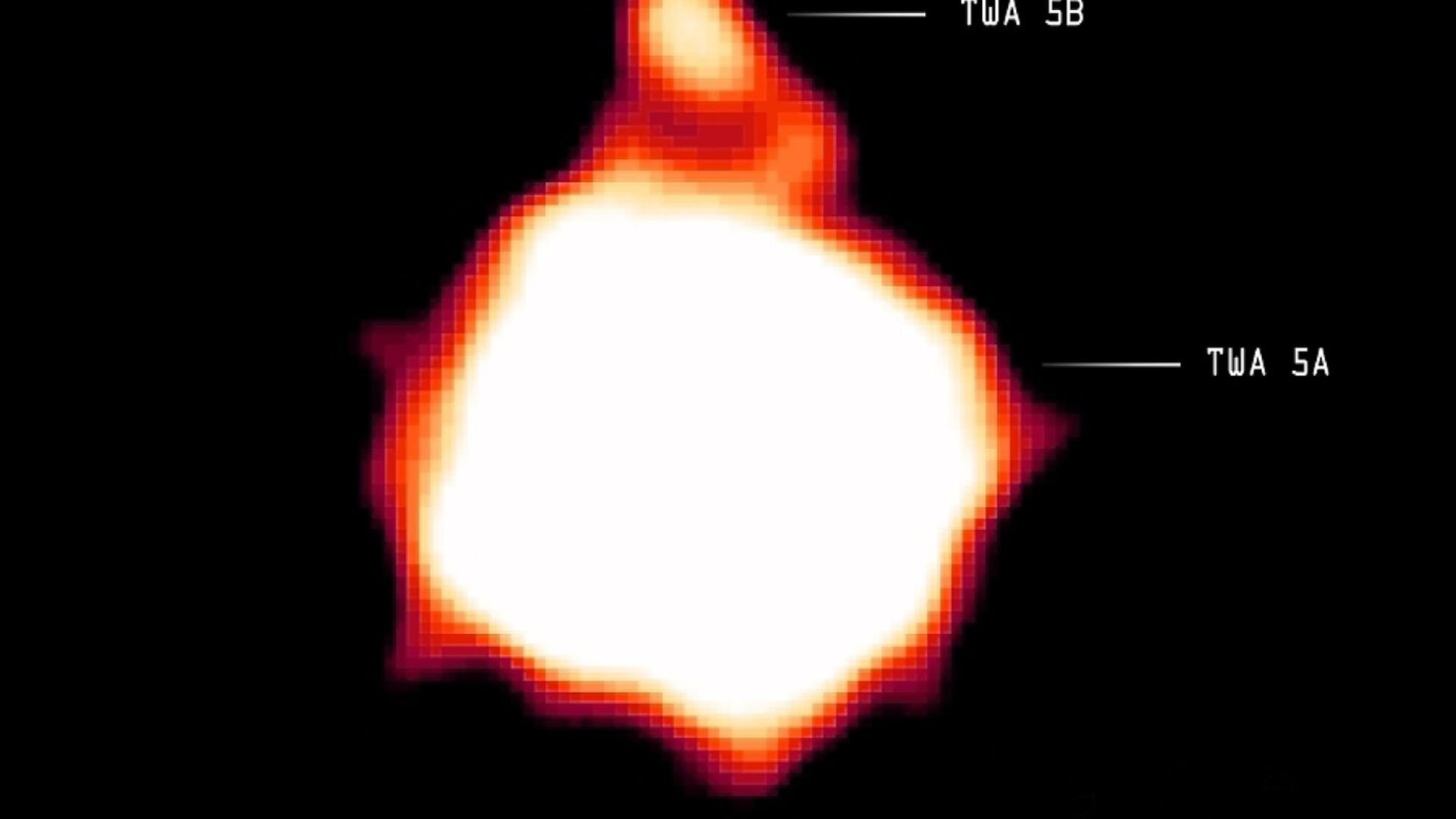
This celestial speedster has been officially cataloged as CWISE J124909.08+362116.0.
Tracking and analyzing its movements and characteristics helps astronomers organize vast amounts of celestial data.
Where Did It Come From?

Dr. Kyle Kremer has been working closely with the discovery team to understand the object’s origins.
He suggests that it could have been catapulted out of a binary star system or slingshot by a black hole, showcasing the dramatic and violent nature of our universe.
Attracting Global Scientific Attention

This intriguing find has captured the interest of an international array of scientists, including teams from the NASA Goddard Space Flight Center, who are preparing a detailed report for peer review.
This collaboration underscores the global effort to decode the mysteries of space.
Redefining Space Scales
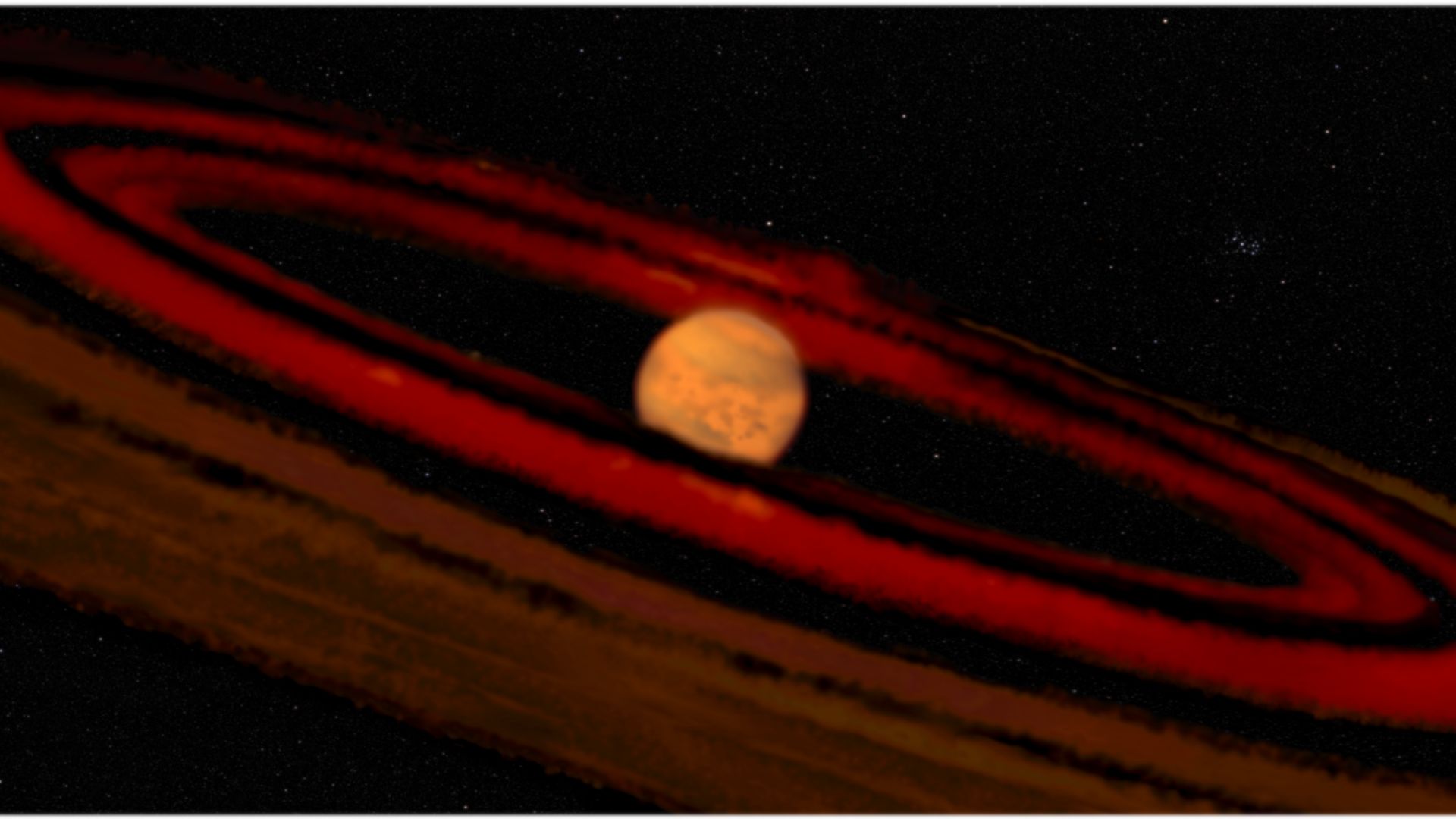
This object might soon be classified as a hypervelocity L subdwarf, potentially making it one of the smallest brown dwarfs ever noted.
Such a classification would significantly impact our understanding of celestial size scales and composition.
The Democratization of Discovery

The Backyard Worlds project is a shining example of how volunteer efforts can complement professional astronomical research.
By analyzing data from NASA’s WISE telescope, these volunteers are helping to democratize the field of astronomy.
What’s Next for This Interstellar Fugitive?
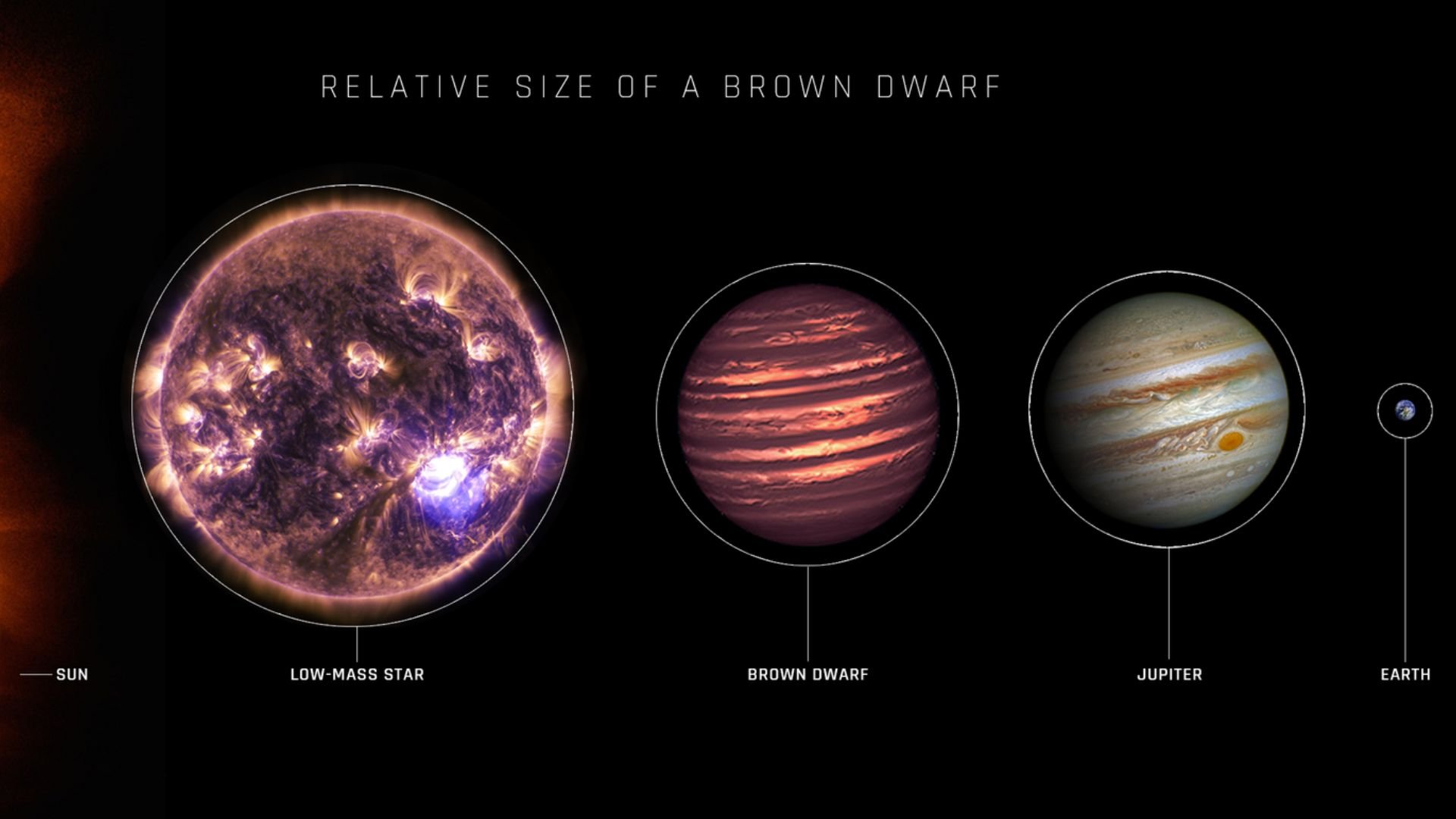
Looking ahead, NASA plans more detailed studies to determine the object’s chemical makeup and trajectory.
With more sophisticated equipment, scientists hope to uncover further details about its origin and possibly predict its cosmic path, opening new doors in space exploration.
