


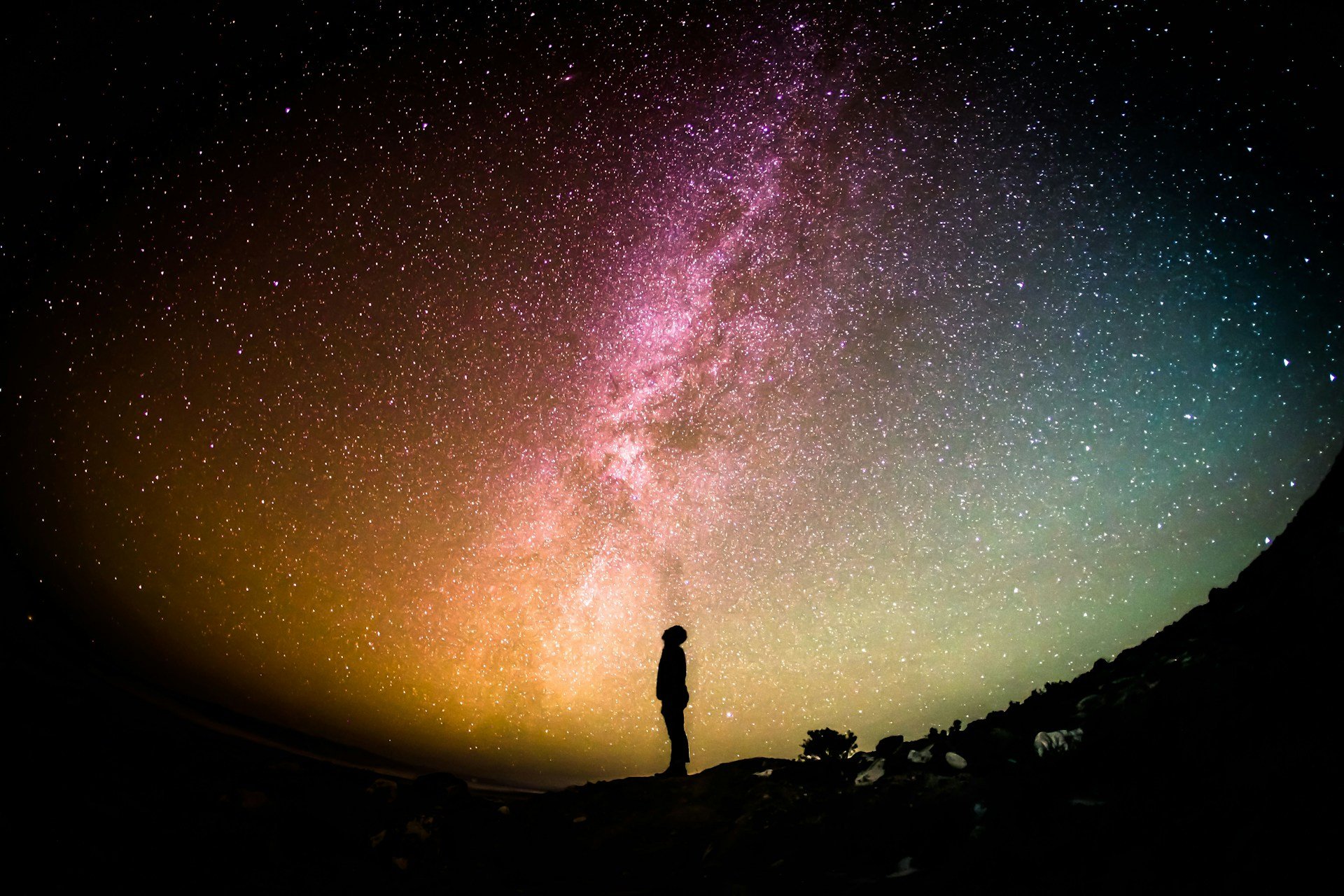
You can see millions of stars with your naked eye when looking up into the night sky. That number rises to the billions when powerful telescopes are used.
While the vast majority can’t identify many exact stars, they are aware that they are always there. People have even used the consistency of the stars to help them navigate, plan, and do a lot more over time.
Stars Dying
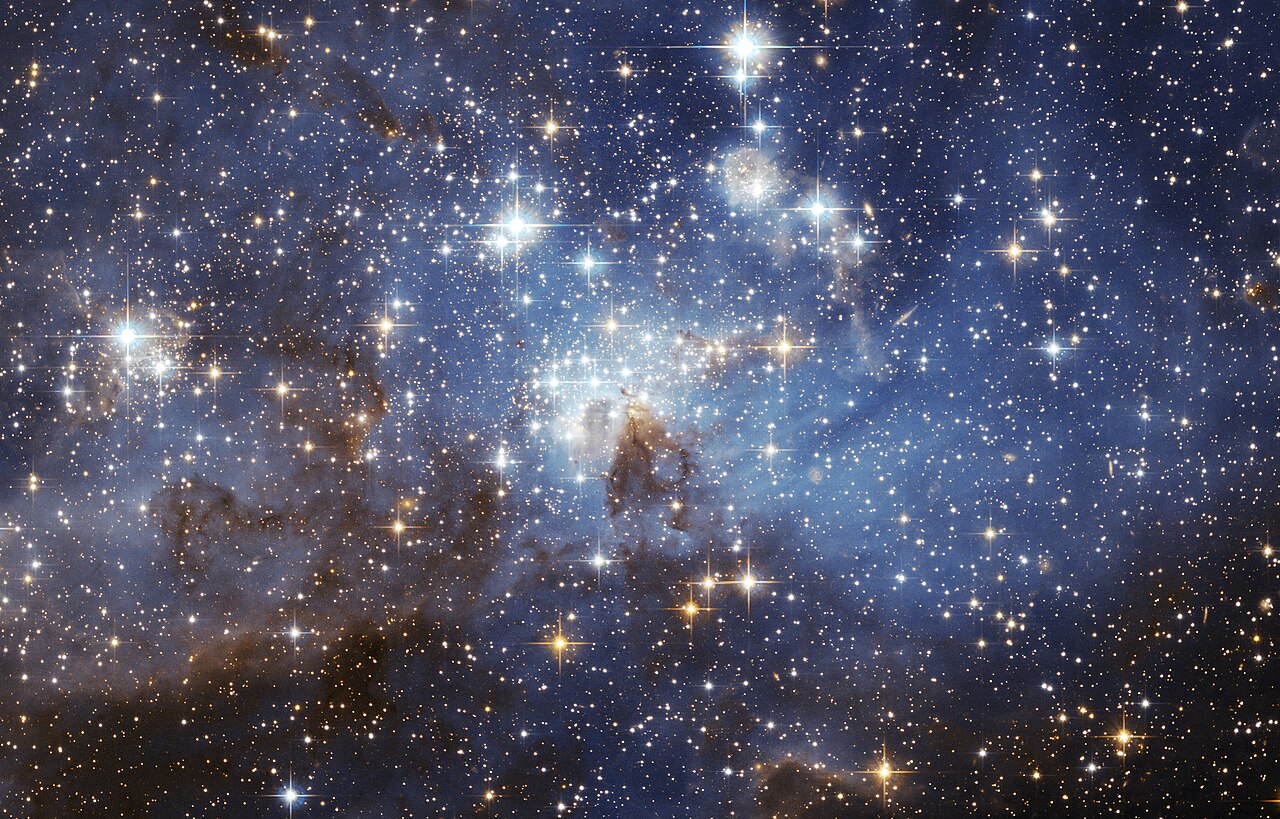
Naturally, we now know that stars eventually die, typically in powerful explosions known as supernovae.
Smaller stars may also vanish over time as their fuel supplies run out.
New Phenomenon
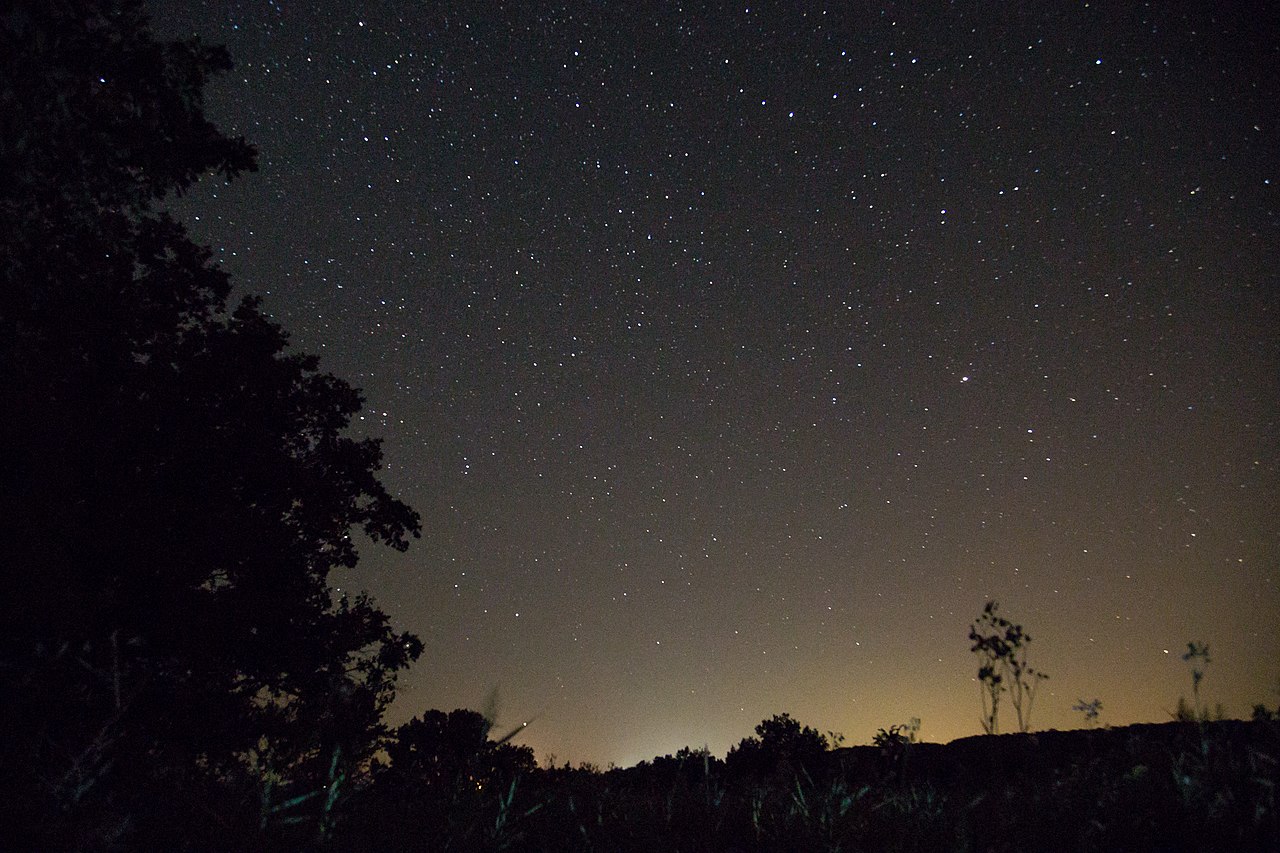
However, scientists have documented yet another phenomenon involving stars over the past seventy years.
They just vanish without a trace. Astronomers observe the star at a certain point, then when they return (even an hour after the fact), and it is no more.
Numerous Cases
The fact that the star never returns makes this even more unusual.
Astronomers have been largely baffled by the more than 800 documented instances of this phenomenon.
New Paper
However, a new paper has been published by astronomers at the University of Copenhagen that may provide an explanation.
Alejandro Vigna-Gomez, co-author of the study, provided an explanation in a statement.
Vigna-Gomez Comment
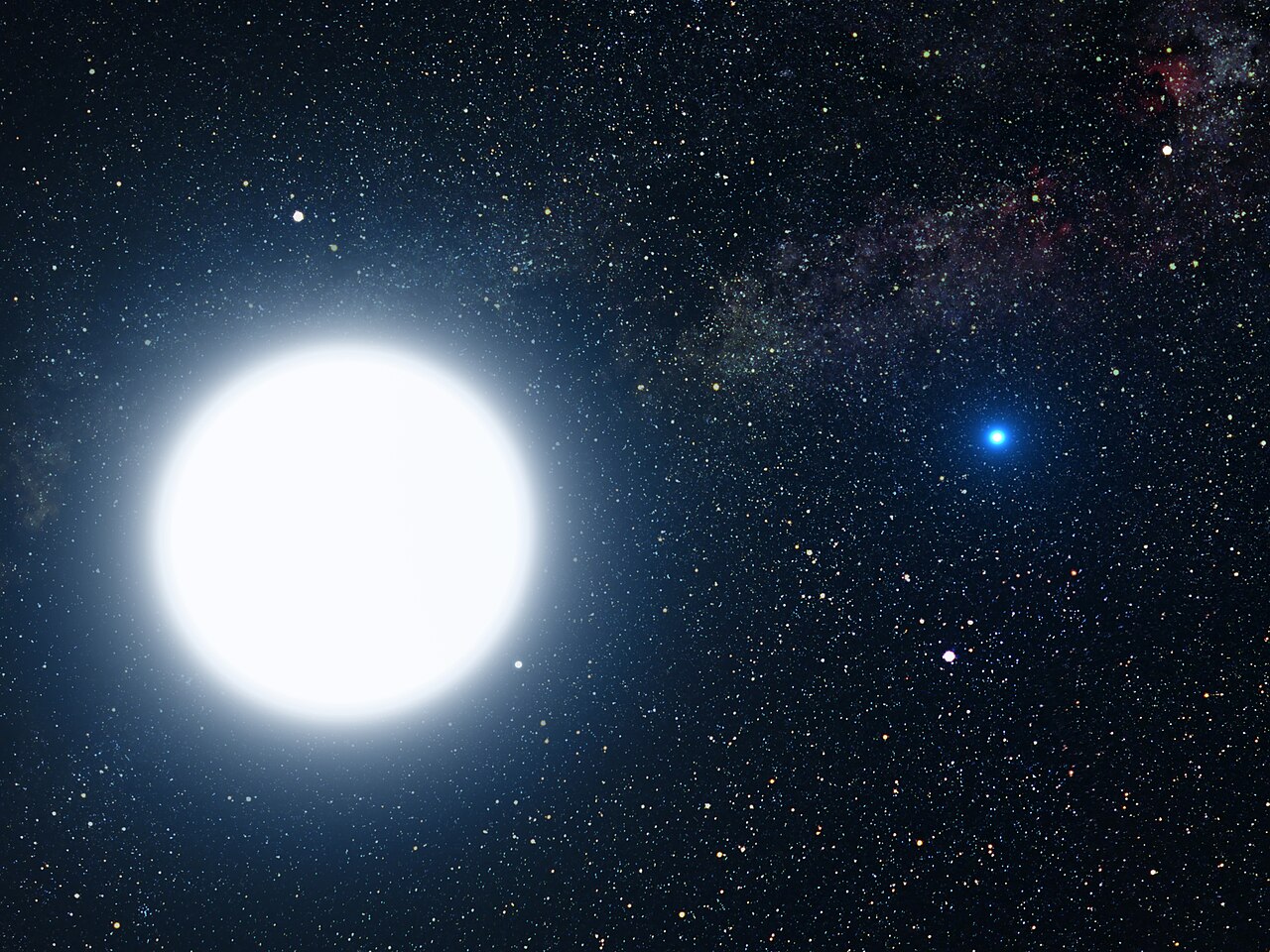
He stated: “Were one to stand gazing up at a visible star going through a total collapse, it might, just at the right time, be like watching a star suddenly extinguish and disappear from the heavens.”
“The collapse is so complete that no explosion occurs, nothing escapes and one wouldn’t see any bright supernova in the night sky.”
Working Theory
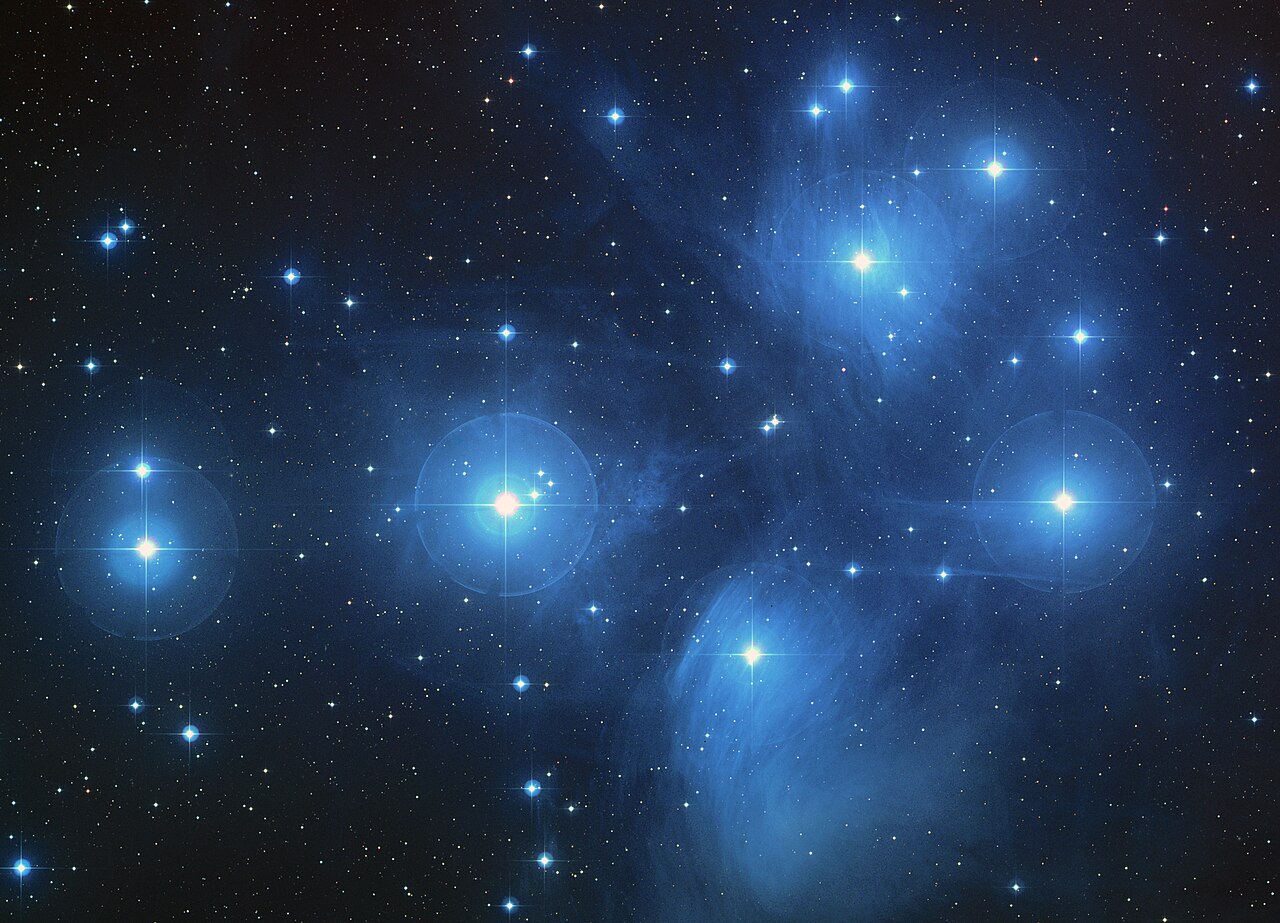
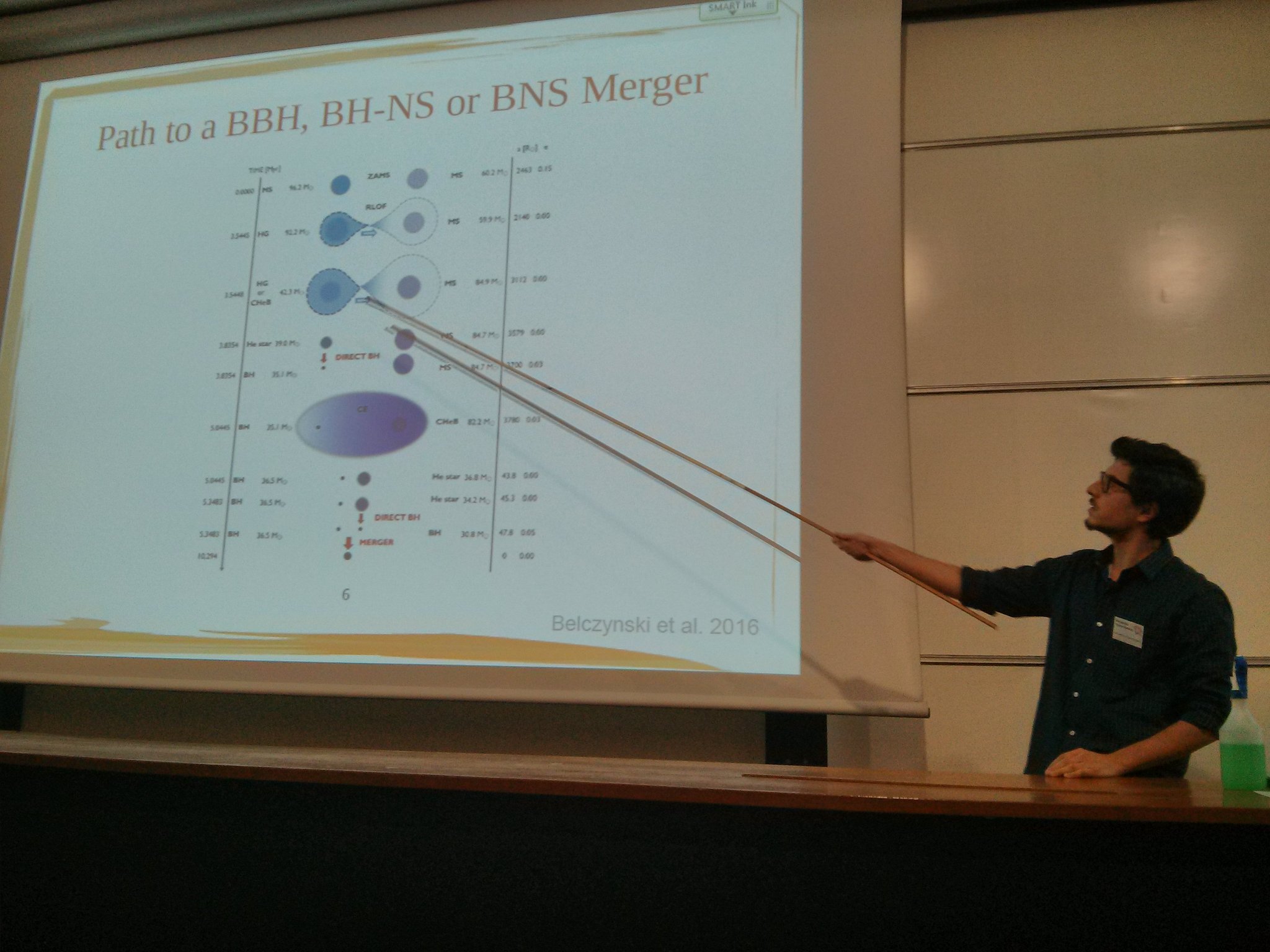
This can occur, they hypothesize when enormous stars break down under their own gravity and become black holes, or incredibly dense neutron stars, right away.
All tangible proof that this happened would be caught by gravity and drawn back in, with nothing remaining to see.
Our Perspective
According to our perspective, it would seem as though the star just vanished.
The proof that they utilized is from studying a binary star system that is called VFTS 243.
Black Hole
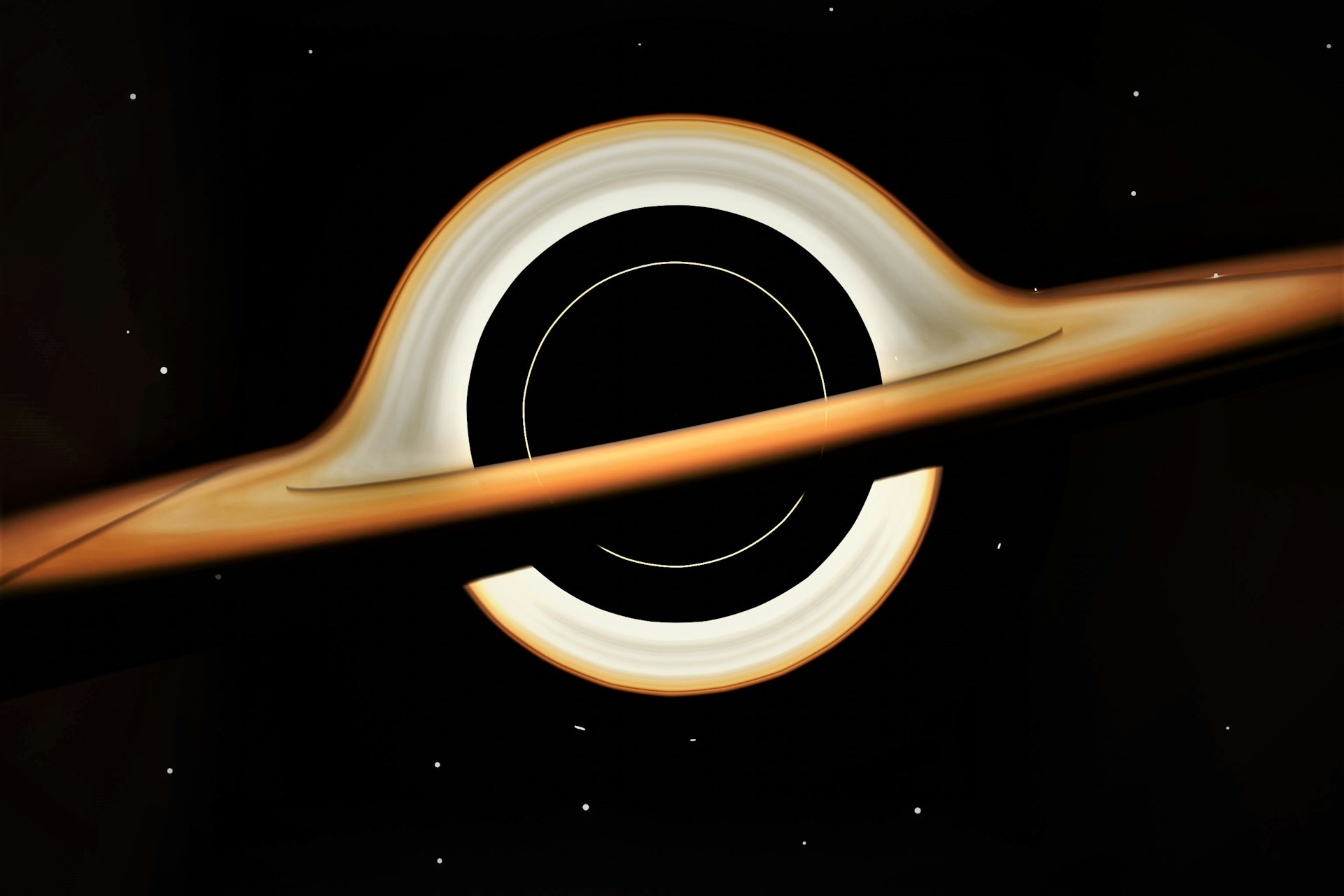
Here a black hole is orbiting with a star that is roughly ten times larger than our sun.
Vigna-Gomes says of this present circumstance: “The orbit of the system has barely changed since the collapse of the star into a black hole.”
Difficult to Prove
This kind of theory has an obvious flaw, which is that it is hard to gather any kind of concrete evidence to support it.
The black hole would absorb all energy, partials, and even light back into itself.
Theory Validation
Scientists can predict what would happen in this scenario and evaluate it against the available data.
So far, it appears that everything is in place. Naturally, additional research is required before the theory can be broadly accepted.
Giant Hole
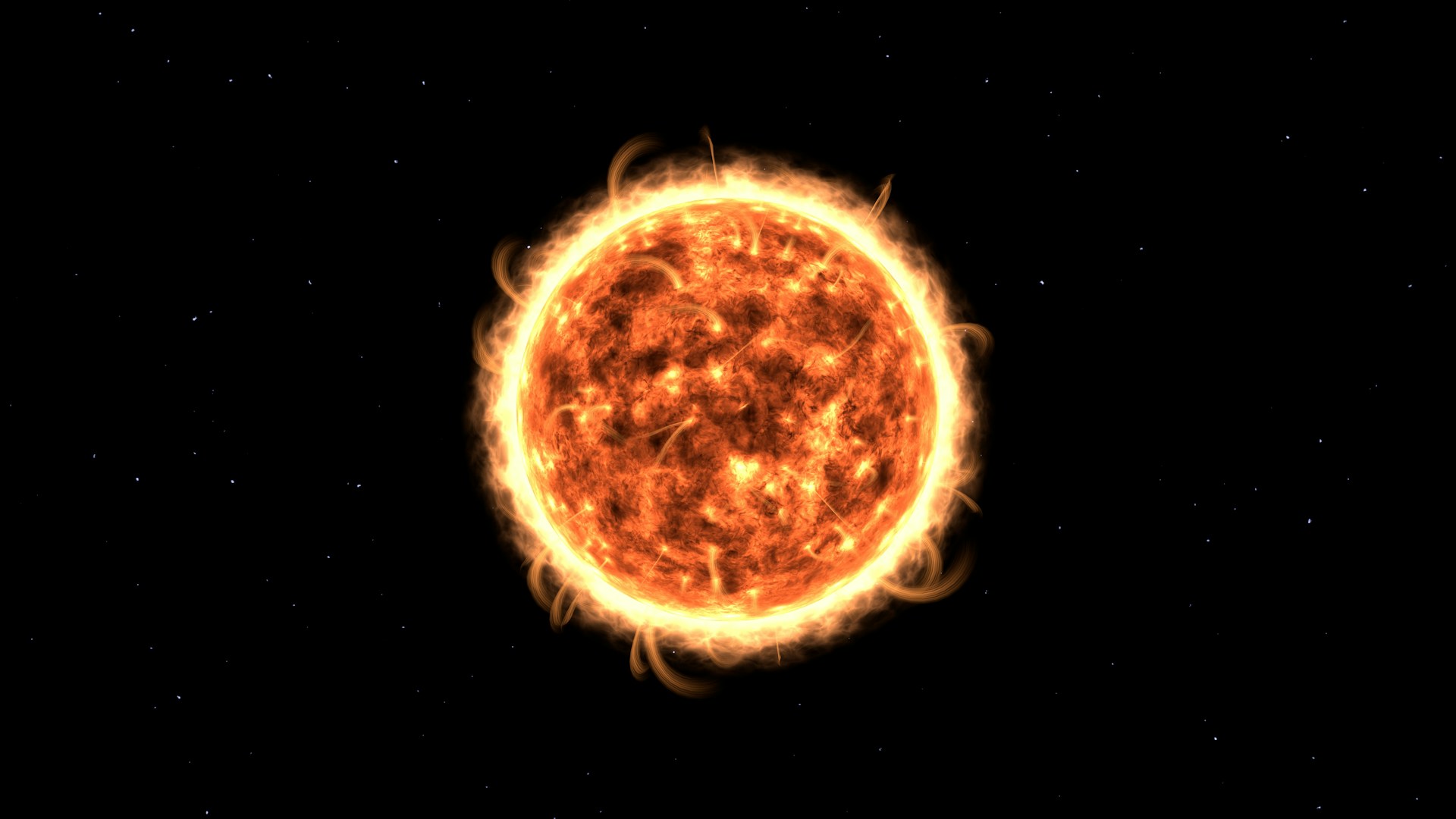
Recently scientists have discovered a second giant hole that has opened up on the surface of the sun.
The “coronal hole” is not the first to be discovered and could fit up to 20 Earths inside of it.
Usually, they appear at the poles of the Sun but this one was unique in appearing closer to the equator.
