


Hidden for millennia, a civilization lost to time has been unearthed in South America, casting new light on ancient cultures.
According to lead researcher José Miguel Pérez-Gómez, who spoke with DailyMail.com, this discovery in Venezuela’s remote mountains unveils vibrant ancient drawings, a first of its kind for the region.
Mystical Art on Mountain Walls
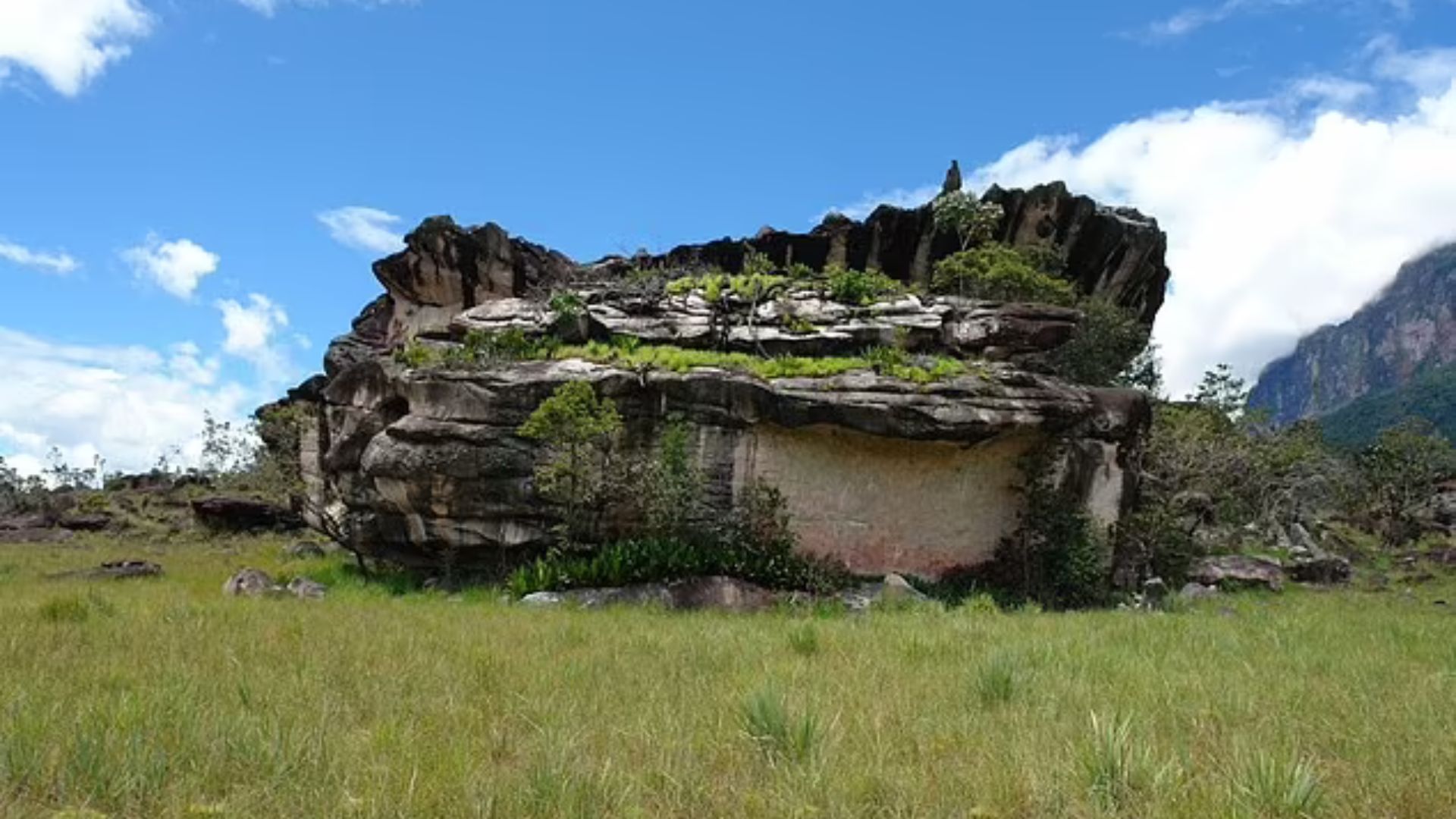
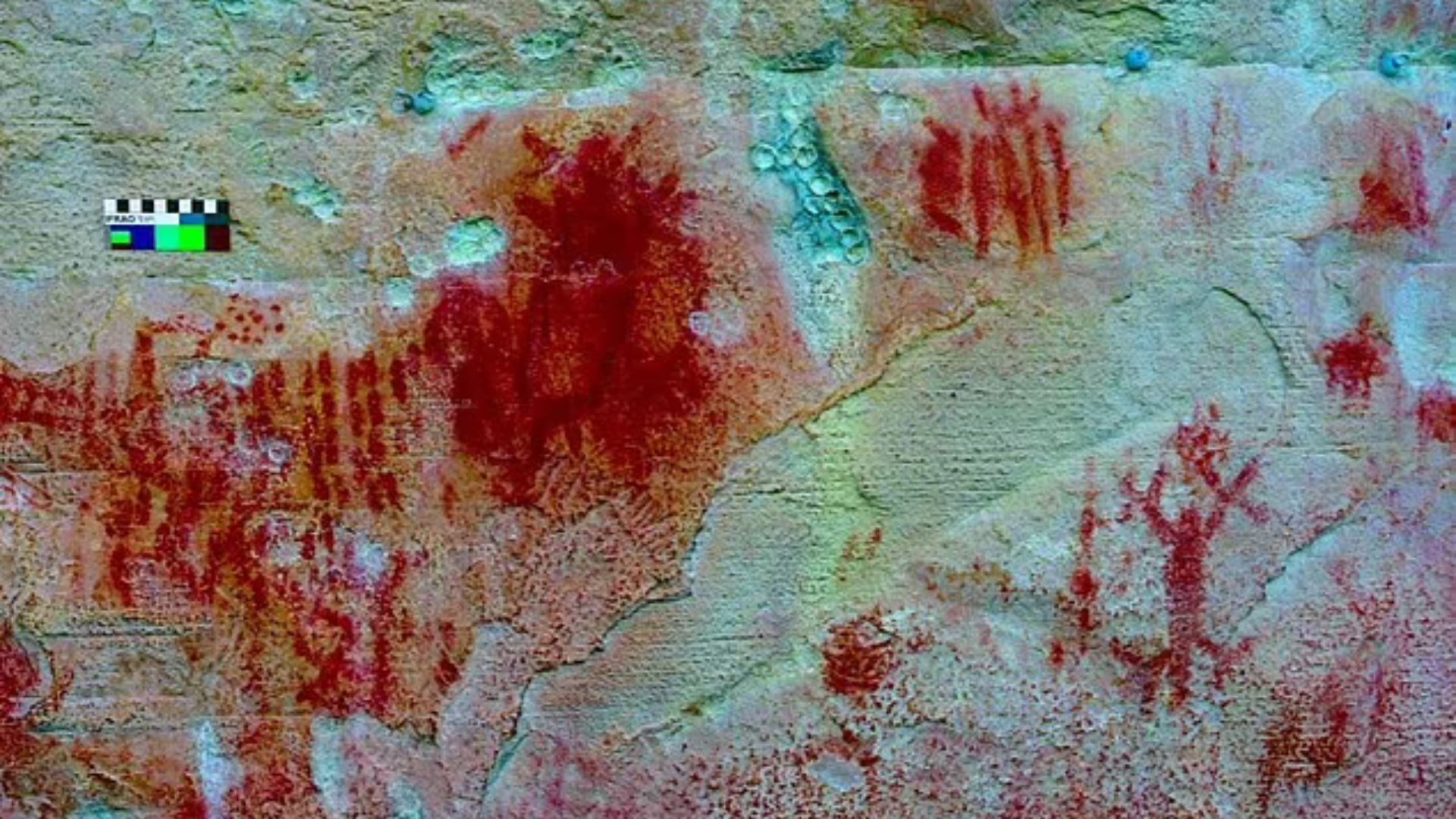
The rock art found includes colorful dot patterns, leaf motifs, and stick figures, possibly used in age-old rituals.
“Previous studies found no signs of human activity here, suggesting a previously unknown civilization,” Pérez-Gómez revealed to the Daily Mail, making every etching a tantalizing mystery.
From Obscurity to Spotlight
Imagine a culture so distinct that its existence redefines our historical narratives.
The styles observed are unique to this region, hinting at a “ground zero for the emerging of this culture,” noted Pérez-Gómez, painting a picture of a civilization blossoming in isolation.
Canaima’s Ancient Inhabitants
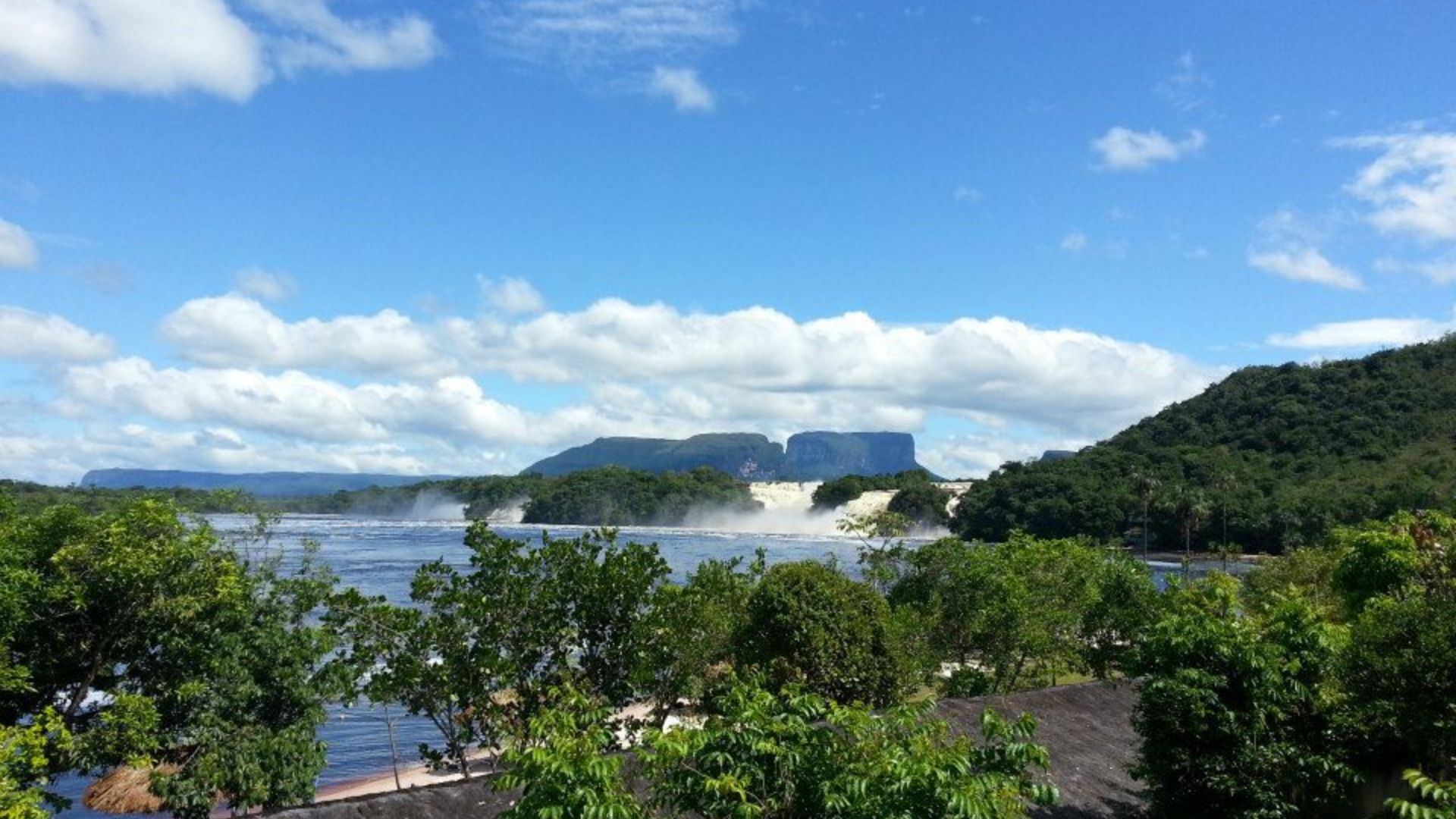
The expansive Canaima National Park, covering over 11,500 square miles, was once home to hunter-gatherers at the end of the Pleistocene era.
Pérez-Gómez shared with the Daily Mail that these early settlers “evolved there and then spread across the region,” leaving behind clues in their art.
Art in High Places
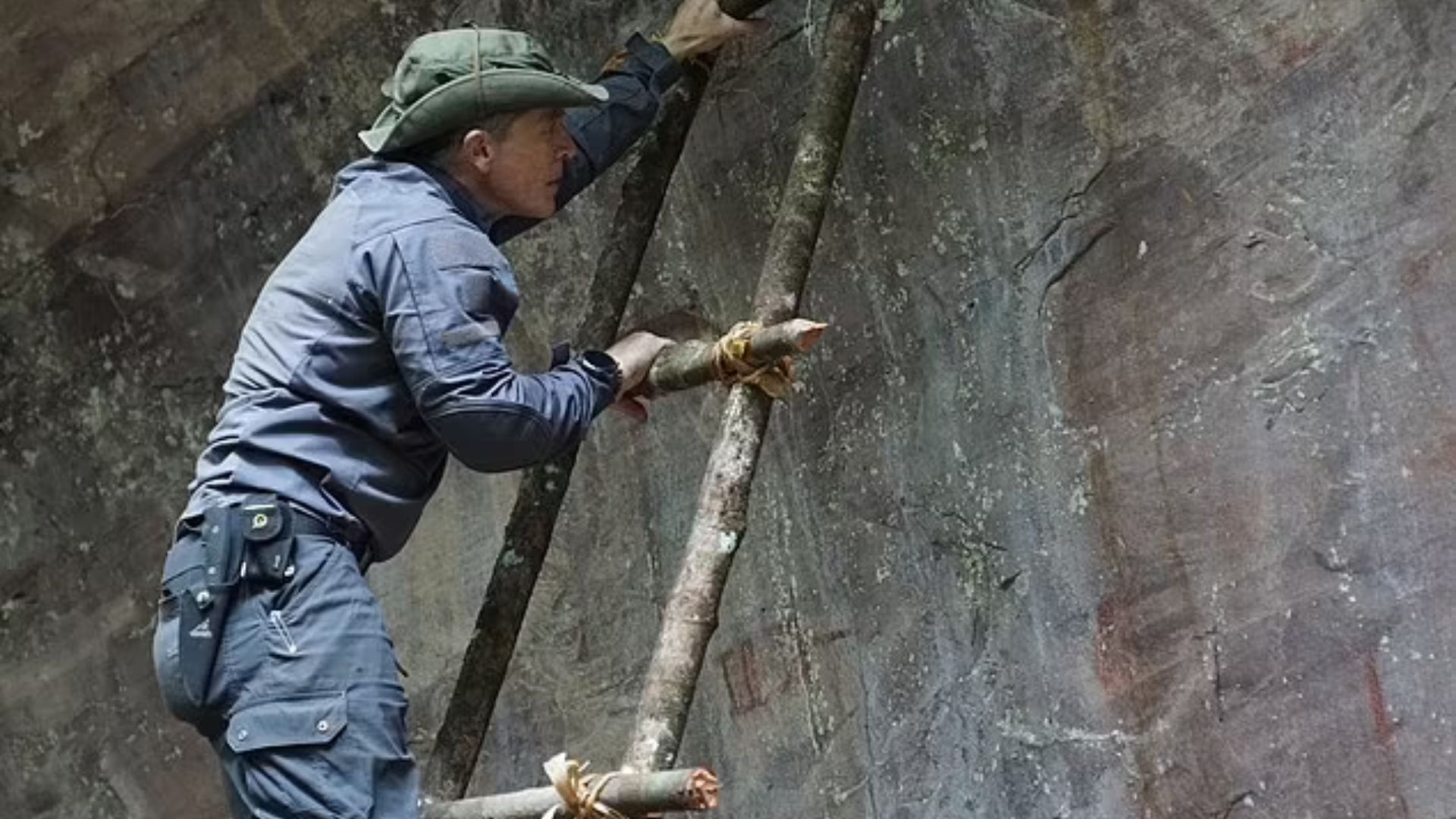
Some drawings are strategically placed in hard-to-reach spots, surrounded by natural beauty that likely inspired ancient artists.
“Situated on a clean oval-shaped rock space,” the Rock Art Research journal suggests these were not random doodles but meaningful symbols.
The Colors of Antiquity
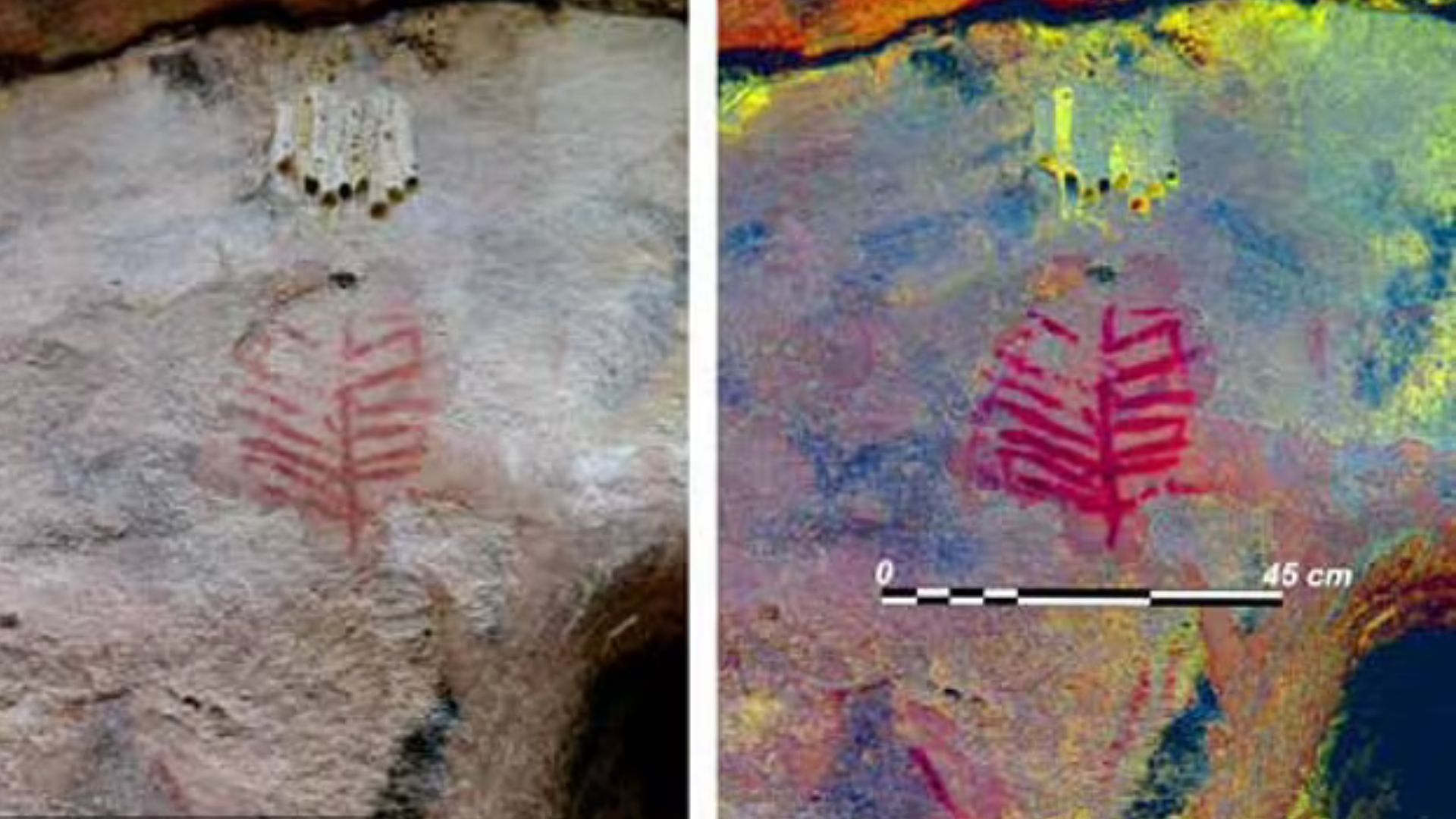
Red ochre was the palette of choice for these ancient artists, utilizing natural pigments to create slight orange hues in their artwork.
This choice of color links them to broader traditions in ancient art, suggesting shared techniques across distant cultures.
Symbols of Survival and Success
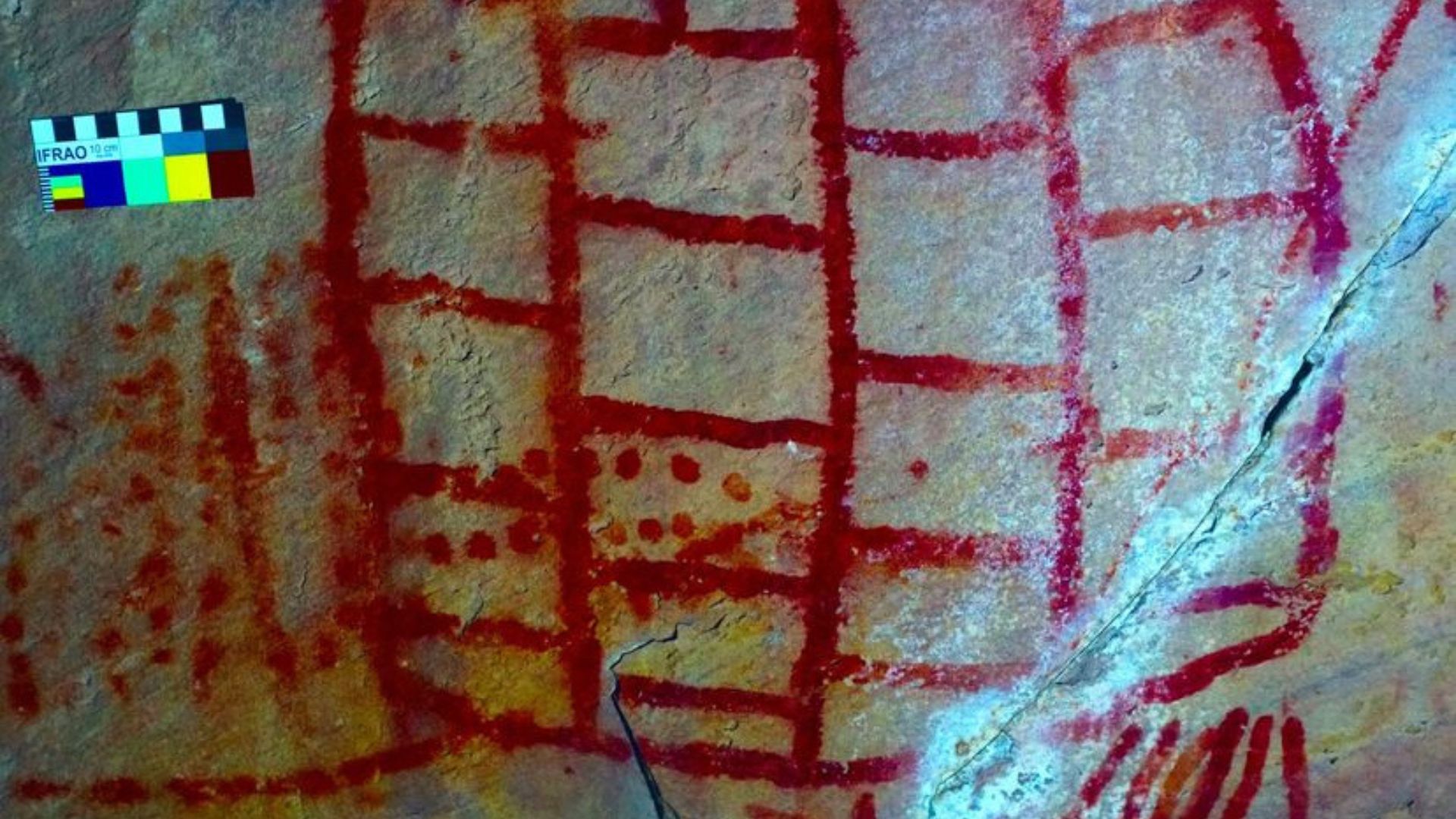
Claviforms and faded figures depict scenes that could represent successful hunts, connecting daily survival with artistic expression.
“These motifs could be a sign of successful hunting endeavors,” the study hints, weaving tales of life and death.
Crude Drawings, Deep Meanings
“The newly found rock art is much cruder, suggesting it could be even older,” Pérez-Gómez said.
This primitive style may hold the key to understanding the genesis of regional artistic expressions.
Preserved by Nature
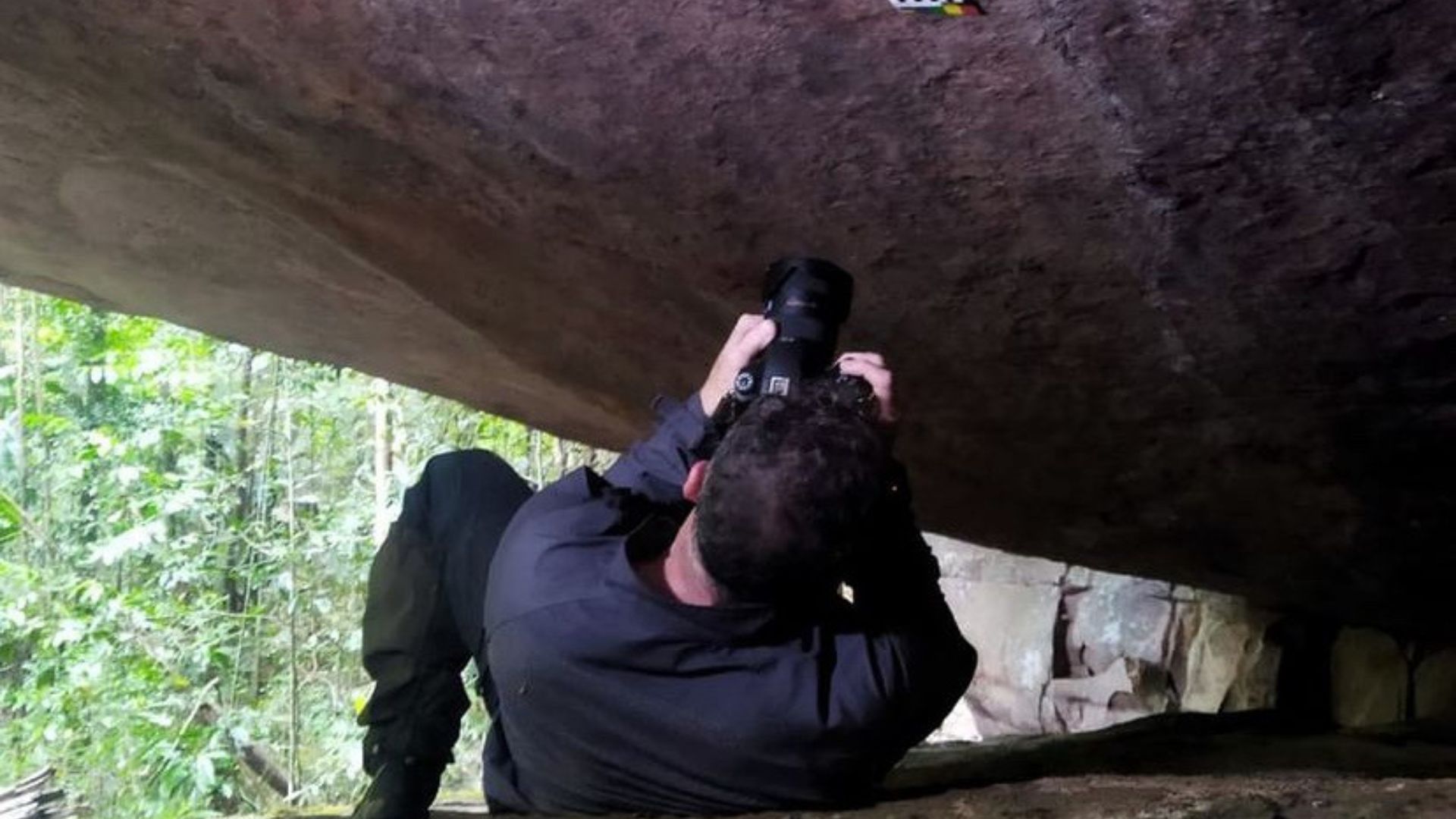
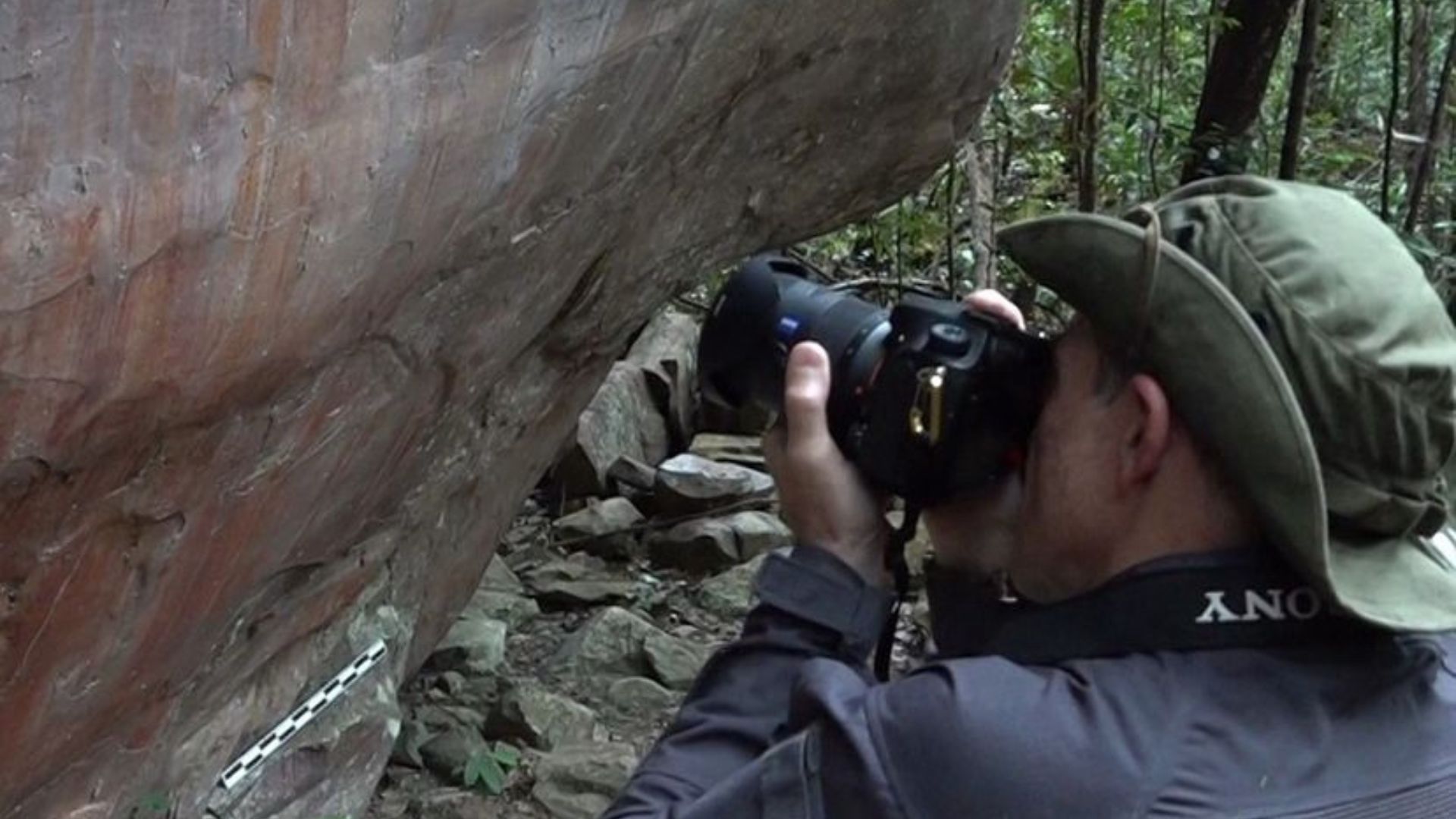
Despite the challenges of time—lichen, algae, roots—the mountain’s overhanging areas have preserved these art panels from the ravages of weather and decay.
This allows us a glimpse into a world long gone but not forgotten.
A Cultural Puzzle Piece
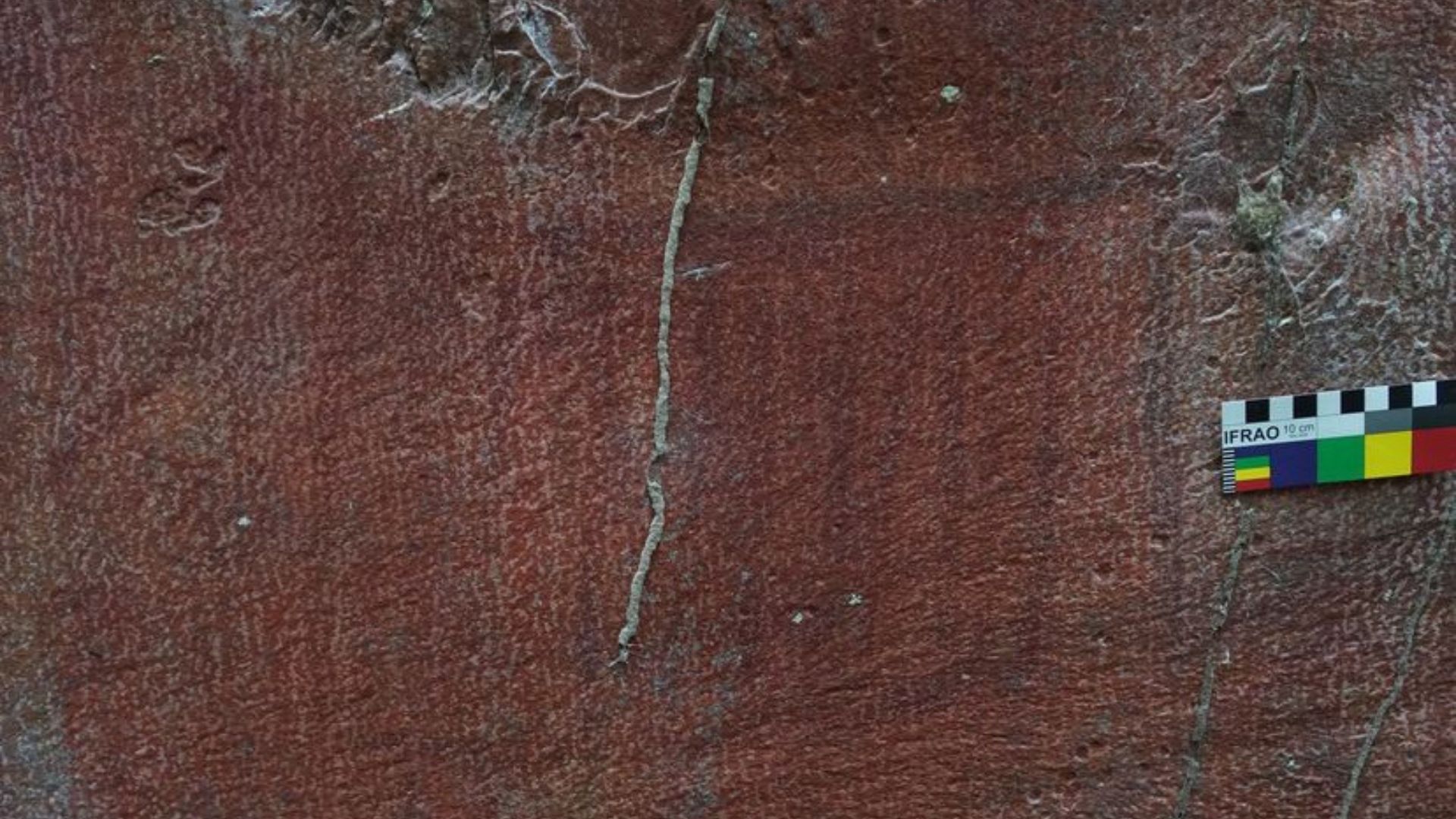
“This discovery fills a gap in a region never before explored in archaeological terms,” Pérez-Gómez said.
Each finding not only adds to the local history but also connects dots across northern Brazil and the Guianas.
Sacred Spaces and Ancient Faces
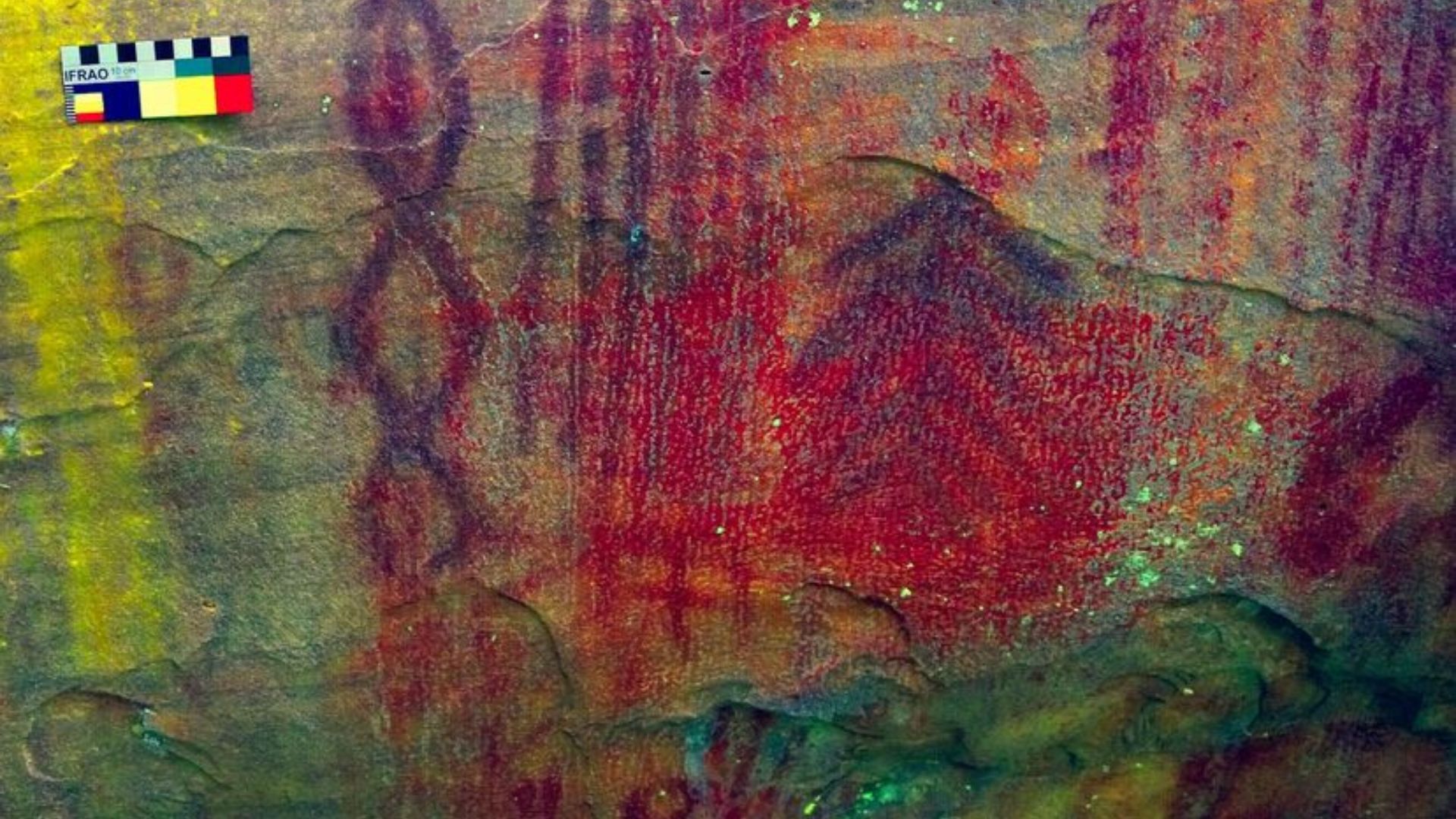
Pérez-Gómez speculates that these sites held significant cultural meaning, akin to modern sacred spaces.
“The location probably had a meaning and importance within the landscape, just as churches today,” he suggests, hinting at a spiritual connection to these ancient artworks.
A Path Forward for Discovery
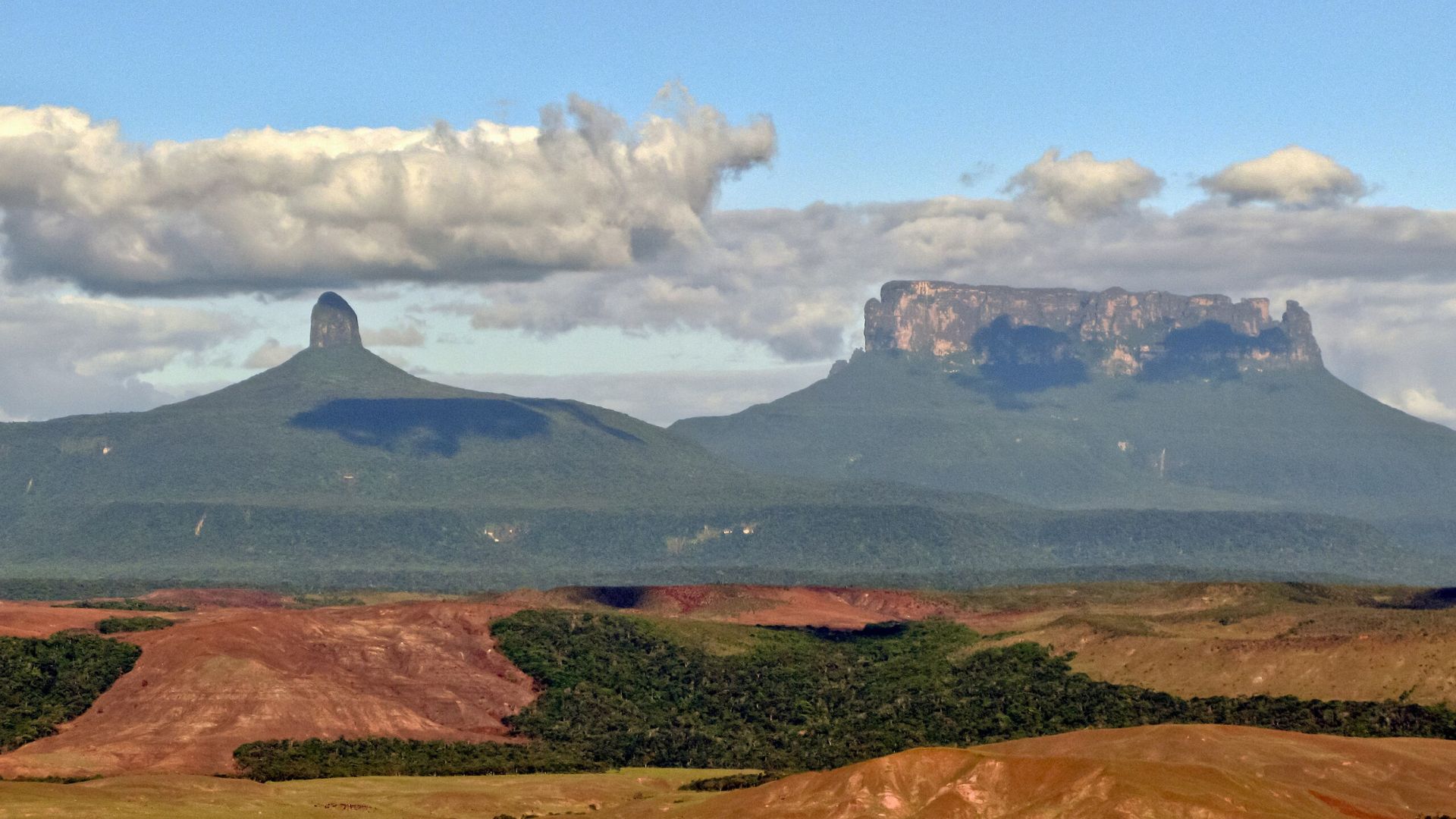
With an area larger than some countries, Canaima’s potential for further discoveries is vast.
“It wouldn’t be surprising to find even more traces if research continues,” Pérez-Gómez optimistically noted to Axios, inviting the world to keep an eye on this astonishing archaeological frontier.
